How long does an eye test take, and what happens?
Checked by Vik Malhi, optometrist
Share
Most eye tests take 20 to 30 minutes. At Direct Vision, adult appointments are booked for 30 minutes and children's for 20, so nobody is rushed. If you're choosing new glasses afterwards, allow another 20 to 30 minutes for that.
Here's what happens during the appointment, so you know what to expect.
1. A quick chat about your eyes and health
Your optometrist starts by asking how your eyes have been, whether you've noticed any changes, what you use your eyes for day to day (driving, screens, reading), your general health and any medicines you take, and whether eye conditions like glaucoma run in your family. This takes a few minutes and helps decide which checks matter most for you.
2. Checking how well you see
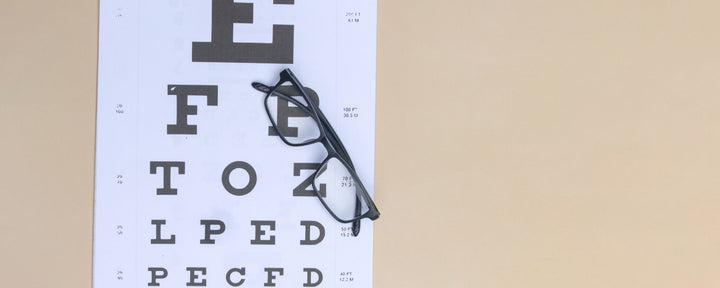
You'll read letters on a chart at distance and close up. The optometrist then fine-tunes your prescription by showing you different lenses and asking which looks clearer. There are no wrong answers. If two options look the same, just say so.
3. Checking the health of your eyes
This is the most important part. Using a bright light and magnifying lenses, your optometrist looks at the front of your eyes and the retina at the back, including the optic nerve and blood vessels. This can pick up signs of glaucoma, cataracts, macular degeneration and diabetes-related changes, often before you notice any symptoms.
Depending on your age and history, you may also have:
- An eye pressure check, usually a quick puff of air, to help screen for glaucoma
- A visual field test to check your side vision
- Retinal imaging, a photograph of the back of your eye we can compare at future visits. At our Great Barr practice it's included with private tests, £10 with an NHS test, and free for new patients over 60. Read more in what is retinal imaging.
4. Your results
At the end, your optometrist explains what they found in plain English: whether your prescription has changed, whether your eyes are healthy, and when you should come back. If you need glasses, you'll get your prescription to use wherever you like. If anything needs a closer look, we'll explain the next steps and refer you if needed.
How to prepare
- Bring your current glasses, including reading or sunglasses, and contact lenses if you wear them
- Bring a list of any medicines you take
- If you drive, it's fine to drive to a routine eye test. If you've been told you'll need drops to widen your pupils, bring someone with you or avoid driving for a few hours afterwards
- If you think your test may be free, bring proof, for example of your benefit
How long do children's eye tests take?
Children's eye tests are usually a little shorter, around 20 minutes, and we adapt them to your child's age, so they don't need to know their letters. They're free on the NHS for under 16s. Find out more about children's eye tests.
How often should you have one?
Most adults every two years, and children, people with diabetes, those aged 70 and over, and anyone with a family history of glaucoma more often if advised. See why regular eye tests matter, and check whether yours is free in our NHS eligibility guide.
Book your eye test
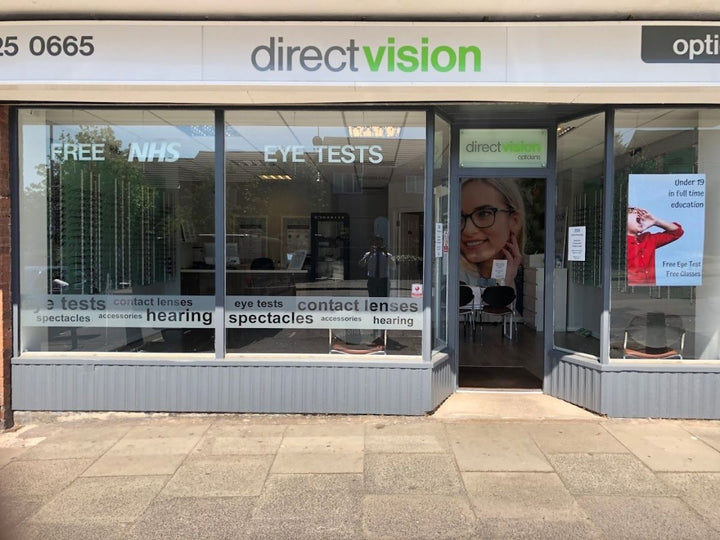
We have appointments at Great Barr and Sheldon. Book online, or call Great Barr on 0121 325 0665 or Sheldon on 0121 742 9599.